
The Second Bulgarian Empire
The Second Bulgarian Empire (1185–1396) was the medieval Bulgarian state that rose when the brothers Peter and Asen led an uprising against Byzantine rule and re-established a tsardom with its capital at Tarnovo. Over the next two centuries it grew into one of the dominant powers of the Balkans.
It reached its height under Ivan Asen II, whose victory at Klokotnitsa in 1230 carried Bulgarian rule from the Black Sea toward the Adriatic. Four dynasties held the throne in turn — the Asen, Terter, Smilets and Shishman houses — while Tarnovo became a centre of Orthodox learning, art and letters.
The fourteenth century brought fragmentation into the tsardoms of Tarnovo, Vidin and Dobruja, and mounting Ottoman pressure. The defeat on the Maritsa in 1371 sealed the empire's fate; with the fall of Tarnovo in 1393 and Vidin in 1396, the medieval Bulgarian state came to an end.
Try searching
Explore the empire
Featured ruler
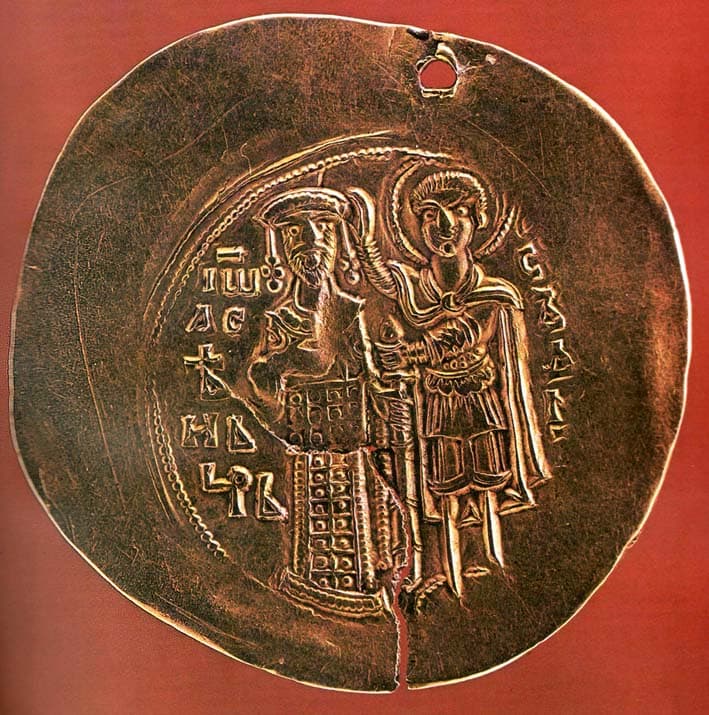
Mitso Asen
Tsar · 1256–1257
Mitso Asen emerges abruptly from the obscurity of the mid-thirteenth-century Bulgarian aristocracy. His parentage, birth date, place of origin and any siblings are unknown. Byzantine authors render his name as Μύτζης, while George Pachymeres once uses the variant Μυλτζής. Linguistically, Mitso is a diminutive of Mito, itself a shortened form of Dimitar, but this etymology does not establish that Dimitar was his formal name; proposed readings such as Micho or Milcho lack foundation. Pachymeres identifies him as a Bulgarian, yet nothing in the surviving evidence permits a fuller reconstruction of his ancestry.
Mitso entered the Asen dynastic circle through marriage rather than demonstrable descent. His wife, Maria Asenina, was a daughter of Tsar Ivan II Asen, whose reign from 1218 to 1241 remained the principal source of dynastic legitimacy in Bulgaria. Pachymeres accordingly calls Mitso the son-in-law of Ivan II Asen and the co-brother-in-law of the Nicaean emperor Theodore II Laskaris. Another son-in-law of Ivan II, the sebastokrator Peter, stood in an analogous familial position, but the sources do not record Peter contesting Mitso’s claim. Mitso and Maria had at least two children known from the excerpts: their firstborn son Ivan, later Tsar Ivan III Asen, and their daughter Maria, later associated by marriage with George Terter.
From history
October 18Battle of Tryavna Pass
1190Tsar Asen I ambushed and destroyed the Byzantine army of Isaac II Angelos at the mountain pass near Tryavna. The victory was decisive — Byzantium was forced to recognize the de facto independence of the Second Empire.
Did you know?
Bulgarian tsars of the Second Empire such as Ivan Asen I, Kaloyan, and Michael III Shishman personally led military campaigns, which was more common than among Byzantine emperors.
The army and its commanders
Featured articles
View all →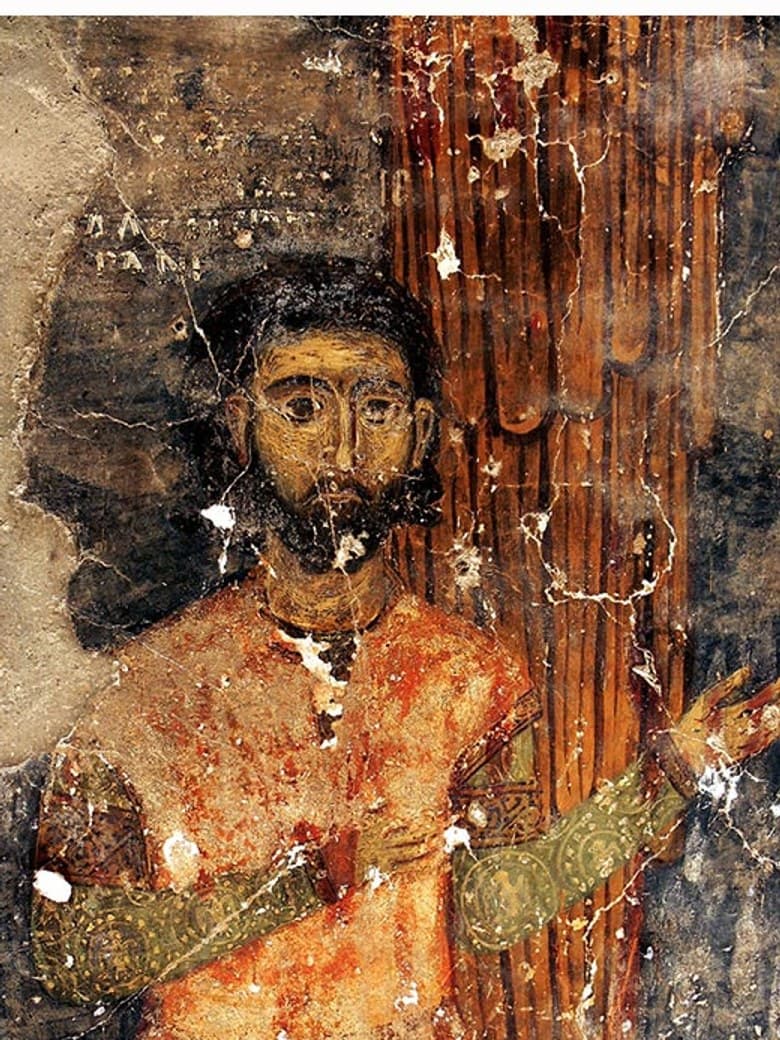
First Mongol Invasion (1241–1256)
After Ivan II Asen’s death, Bulgaria entered a decade of child-rulership, regency, and accelerating territorial decline. The Mongol invasion of 1242 brought devastation and likely tribute, while Nicaea and Hungary exploited Bulgarian weakness; a brief recovery in 1254 was reversed by Theodore II Laskaris, and Michael II Asen’s murder in 1256 pushed the kingdom into crisis.
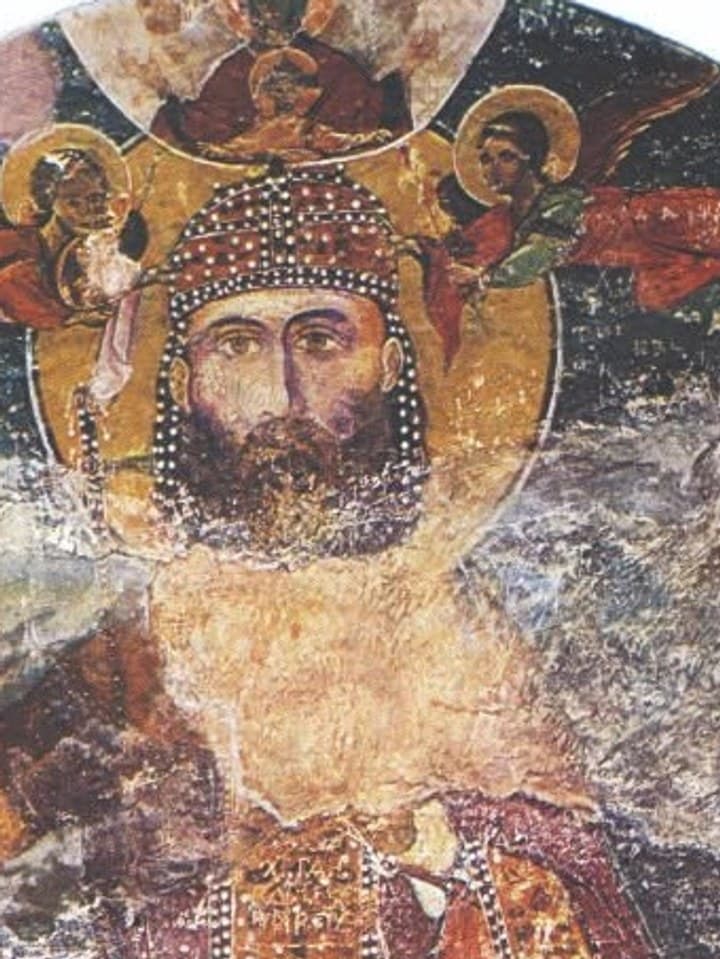
Division of the Empire (1355–1371)
Between 1355 and 1371, the Bulgarian Empire moved from dynastic continuity toward open fragmentation under pressure from Byzantium, Hungary, regional lords, and the advancing Ottomans. The court, church, and literary culture still projected independence, but military defeats and foreign interventions split the realm into rival centers, ending with the Ottoman victory at the Maritsa.
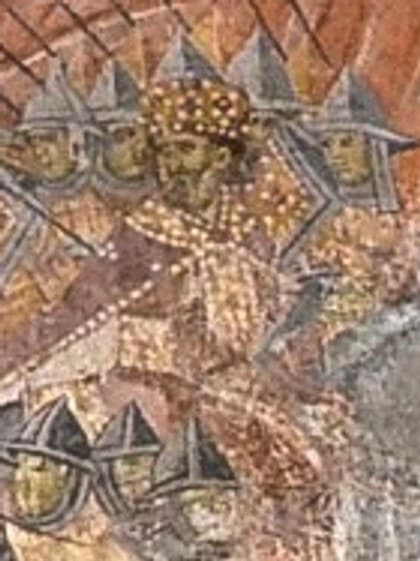
Theodore Svetoslav — Partial Recovery (1300–1330)
The chapter follows Theodore Svetoslav’s violent accession in 1300 and his subsequent restoration of Bulgarian authority through internal consolidation, frontier bargaining, and a decisive series of wars against Byzantium. That recovery endured into the reign of Michael Shishman, but the era ended in 1330 with the Bulgarian defeat at Velbuzhd, which reopened dynastic instability.
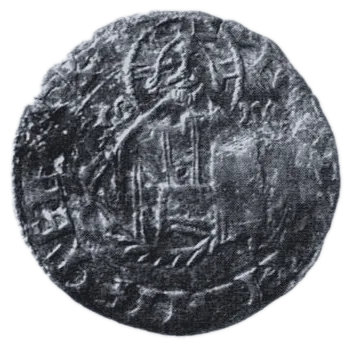
Vidin Tsardom — Last Resistance (1396–1422)
The chapter follows Vidin as the last Bulgarian stronghold on the Danube, from its final courtly gestures before conquest to its fall after the crusader defeat at Nicopolis in 1396. Thereafter the Vidin line survives mainly through Constantine's exile, a brief revival of hope during the Ottoman interregnum, the uprising of Constantine and Fruzhin, and finally Constantine's death in 1422.